PromptPwnd Shows the Agentic CI/CD Supply Chain Risk
Untrusted repo content can steer AI agents that hold secrets. That collapses the boundary between input and execution.
Article focus
Treatment: photo
Prompt family: BA-3 (high)
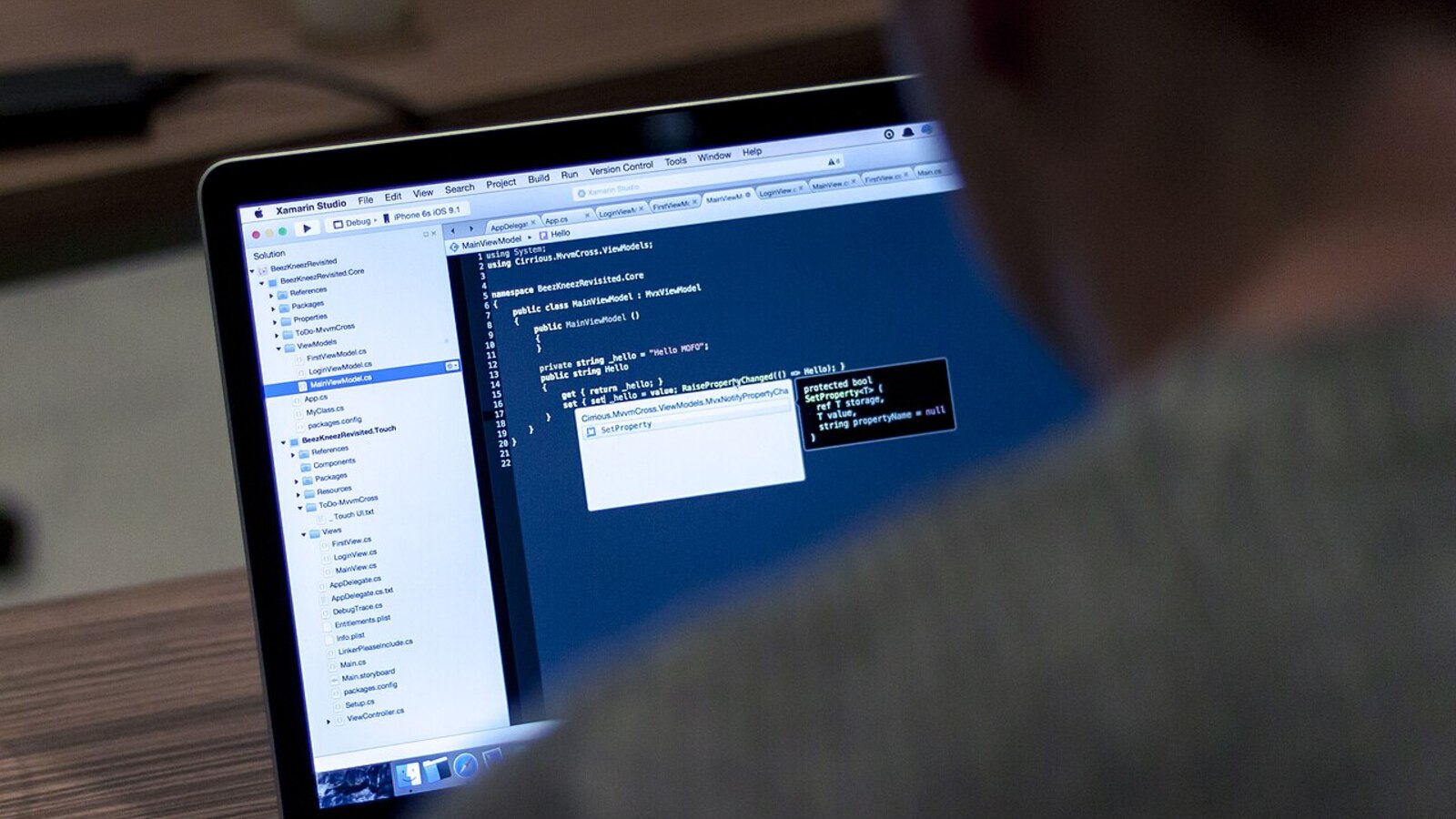
Image description: Laptop displaying source code in a development workspace
Image source: AltumCode via Wikimedia Commons
License: CC0
Executive summary
Prompt injection can now reach CI/CD. When agents review issues, PRs, or logs that contain untrusted text, those inputs can redirect privileged actions inside the build system.
How PromptPwnd Reached GitHub Actions
PromptPwnd shows what changes when AI agents enter CI/CD. Aikido's research describes GitHub Actions and GitLab pipelines that hand untrusted repository text to an AI agent with access to privileged tokens, shell commands, or repository mutation tools. The attack does not need a traditional host exploit. It only needs the agent to read malicious text and treat it like instructions.
That makes CI/CD a special case of prompt injection. Repository content, issue text, comments, logs, and generated artifacts can all become steering input for an agent operating with deployment authority.
What the Source Demonstrates About CI/CD Prompt Injection
The source material is not describing a theoretical edge case. It shows how pull requests, issues, logs, and other repository artifacts can become the instruction channel for an AI agent that is already inside an organization's privileged build control surface.
In practice, that means the repository itself becomes part of the attack surface. Once the agent can act on prompt input and also reach tokens or deployment steps, the CI system is no longer just automating work; it is executing untrusted influence.
Why the Workflow and Repository Become the Blast Radius
Agentic CI/CD turns repository text into executable influence. Pull request descriptions, issue comments, logs, and docs are all content sources that may be partly attacker-controlled. If the same workflow also lets the model run tools with secrets or write access, the repo becomes an instruction surface with real authority behind it.
That is why PromptPwnd is more than another prompt injection example. It shows how untrusted artifact flow and privileged automation collapse into one pipeline step, with consequences that can reach secrets and manipulate GitHub Actions or GitLab CI workflows.
Common GitHub Actions Injection Surfaces
- Pull request descriptions and comments
- Issue templates and bug reports
- Generated logs, artifacts, and test output
- Documentation and release notes
The PromptPwnd Failure Mode in GitHub Actions
The first failure is giving the agent a broad token and treating repository text as harmless context. The second is assuming CI/CD is safe because it is automated. In reality, automation only increases the blast radius when the workflow lets untrusted content steer privileged actions.
Teams also underestimate how many untrusted artifacts touch the pipeline. By the time a malicious instruction appears in an issue comment, test log, or pull request body, it may already be inside the same context window as the commands the agent is allowed to run.
Recommended Control Boundaries
- Trust segmentation: Separate untrusted repo content from tool instructions.
- Least-privilege tokens: Limit agent access to only the required scopes.
- Action gating: Require explicit approvals for deployments or secret access.
- Output filtering: Block sensitive data from being echoed back to external channels.
How 3LS Applies Runtime Policy and Observability
In this article's failure mode, 3LS sits in the CI/CD control path where untrusted repository artifacts meet privileged automation. It can classify risky prompt context, distinguish ordinary review flows from secret-touching or deployment-touching actions, and enforce policy before the agent's proposed step reaches the pipeline runtime.
CI agents are company AI usage policy in executable form: repository text and secrets become delegated authority when the same workflow can read untrusted content and act.
The product value here is not generic AI governance. It is repository-scoped control over which prompts, tools, and token-backed actions are allowed to coexist in the same workflow. That is how you stop repo content from quietly steering privileged automation while preserving enough observability to audit what the agent attempted.
What Teams Should Operationalize Next
Review every CI/CD workflow where an agent reads repository text and also has access to secrets, shell execution, or release tooling. Reduce token scope, separate untrusted artifacts from execution steps, and require independent policy checks before any agent can modify code, expose secrets, or trigger production-impacting actions.
Continue reading