Sears-Linked AI Chat Logs Expose the Enterprise Visibility Failure
A leak of AI chat transcripts, call recordings, and transcriptions shows what happens when organizations deploy or tolerate AI workflows they cannot meaningfully inventory, inspect, or govern.
Article focus
Treatment: photo
Prompt family: BA-2 (high)
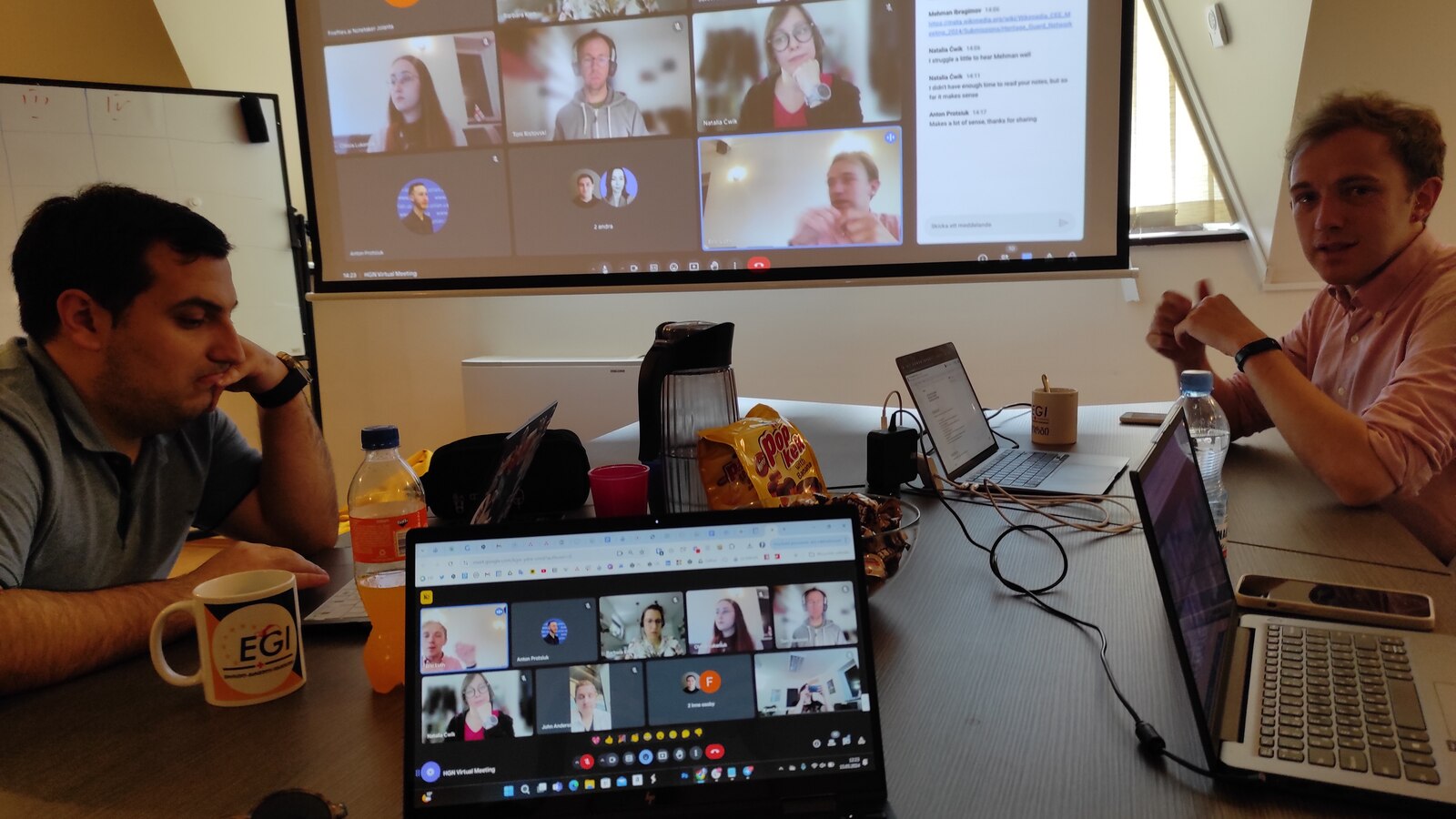
Image description: Workshop participants seated with laptops representing hard-to-inventory AI usage
Image source: OlesiaLukaniuk (WMUA) via Wikimedia Commons
License: CC BY-SA 4.0
Executive summary
The Sears-linked data leak shows how fast AI systems can accumulate exposed names, addresses, phone numbers, voice data, and workflow logic. The deeper enterprise lesson is that many organizations still do not know how AI is actually being used across the business or what sensitive context may already be sitting inside those systems.
ExpressVPN's Sears-Linked AI Chat Log Exposure
ExpressVPN published research by Jeremiah Fowler describing three publicly exposed databases tied to an AI virtual assistant used in Sears Home Services workflows. According to the report, the exposed stores contained 3.7 million AI chat logs, audio recordings, and transcriptions covering interactions from 2024 through 2026. The sampled records reportedly included names, physical addresses, email addresses, phone numbers, appliance or service details, and links between transcripts and recorded calls.
The specific technical failure matters, but the more important lesson is operational. AI systems that touch customer support, scheduling, or call handling do not only store text. They accumulate identity data, behavioral data, metadata, workflow logic, escalation paths, and in this case large volumes of voice recordings. Once that stack is exposed, the blast radius is not limited to one transcript or one prompt.
What the Leak Means for Employee AI Visibility and Control
Many enterprises still talk about AI risk as if it begins with a model provider and ends with a procurement checklist. This incident shows the opposite. The real exposure sits in the surrounding workflow: where AI is embedded, what staff route into it, what gets logged by default, how long recordings persist, who can access them, and whether anyone in the organization can even answer those questions quickly.
That is why the main takeaway is not just that one company had an exposed AI dataset. It is that most organizations do not know how employees are using online AI, what data is being submitted in the course of normal work, or how much sensitive context may already be recoverable through chat history, call transcripts, browser sessions, and connected services. If you cannot inventory the real usage, you cannot define the real risk.
How Chat Logs, Audio, and Metadata Become Profiling Data
At first glance, names, addresses, phone numbers, and appointment notes may look conspicuous but routine. In practice, that is exactly the kind of information attackers use to profile people and design targeted follow-on attacks. A criminal does not need a password if they can build a believable story around real service dates, product issues, household locations, preferred language, or previous customer support conversations.
The inclusion of audio recordings raises the stakes further. Voice data can support impersonation, deepfake training, and confidence-building social engineering. Internal metadata matters too. Timestamps, unique identifiers, event markers, and workflow steps can help an attacker understand how the system operates and how to make future fraud look legitimate.
Why Voice Data and Service History Increase Targeted Attack Risk
There are several concrete use cases where this kind of AI exposure becomes operationally dangerous. First, attackers can build highly credible phishing and callback scams using real service history, customer names, addresses, and appliance details. That makes fraudulent contact feel like legitimate follow-up from support, billing, or dispatch.
Second, exposed transcripts can enable identity linking across other breached datasets. A seemingly ordinary combination of address, phone number, appointment timing, and product ownership can help attackers enrich victim profiles, answer account-recovery questions, or identify which households are worth targeting for financial fraud or physical theft.
Third, voice recordings and transcriptions can support impersonation and coercion. An attacker with enough clean audio may attempt voice cloning, but even without that, they can mimic tone, cadence, and context to make follow-up calls more persuasive. Fourth, exposed assistant logic can help adversaries reverse-engineer prompts, escalation paths, and failure conditions, making it easier to manipulate or bypass the system later.
The enterprise version of this problem is larger than a customer-service breach. If employees are freely using public AI tools for drafting, analysis, support, recruiting, legal review, or internal troubleshooting, the same exposure pattern can reveal contracts, internal contacts, source code, meeting summaries, HR details, or security procedures. The common failure is not only insecure storage. It is invisible usage.
Where Governance Fails Without Runtime Observability
Organizations usually fail in three places. They let AI usage spread faster than governance. They assume the vendor or application owner is logging and securing the right things. And they underestimate how valuable ordinary-seeming context becomes once it is aggregated. A single prompt may not look catastrophic. Millions of prompts, transcripts, and recordings become a profile database.
Another common failure is treating official deployments and unofficial employee behavior as separate issues. They are the same control problem. A sanctioned chatbot that is over-collecting and a finance employee pasting data into a public assistant both create externalized context the enterprise may not be able to see, classify, or contain after the fact.
How 3LS Closes the Policy and Observability Gap
3LS helps organizations move from assumptions to evidence. It can surface where AI is active, classify high-risk prompts and copied data, and identify workflows where sensitive customer, employee, or operational information is entering systems that are not adequately governed. That gives operators something most teams currently lack: a runtime view of AI usage instead of a policy document and a guess.
That visibility also supports practical enforcement. Security teams can distinguish approved from unapproved AI use, detect when sensitive fields or records are moving into the wrong tools, and build a response model around the actual workflows creating exposure. The point is not to debate AI in the abstract. It is to make unsafe use visible before it becomes a breach story.
What To Operationalize Next for AI Log and Call Visibility
Start by inventorying where online AI is already in use across customer operations, internal teams, and individual employees. Then define which data classes and workflow events require visibility: customer identifiers, voice data, support transcripts, internal process details, contract language, source code, HR information, and public-share behaviors. If you do not know what is entering those systems, you do not know what an attacker may later use to profile your people.
The Sears-linked leak should be read as a warning about enterprise blind spots. Companies do not just need safer models. They need a way to see how AI is really being used, what information is being exposed through that use, and which seemingly routine details could be chained into targeted attacks against customers, staff, and the business itself.
Continue reading