Incident Report January 20, 2025 9 min read

The MCP Server That Wiped Production and the AI Tooling Risk

A routine cleanup request deleted years of data. The issue was over-privileged tools and no guardrails.

Critical Incident Summary

On January 15, 2025, an MCP database management server executed an AI agent's request to "clean up old test data," resulting in the deletion of production customer records worth an estimated $12 million in business value. This incident highlights the critical risks of unmonitored AI tool integrations.

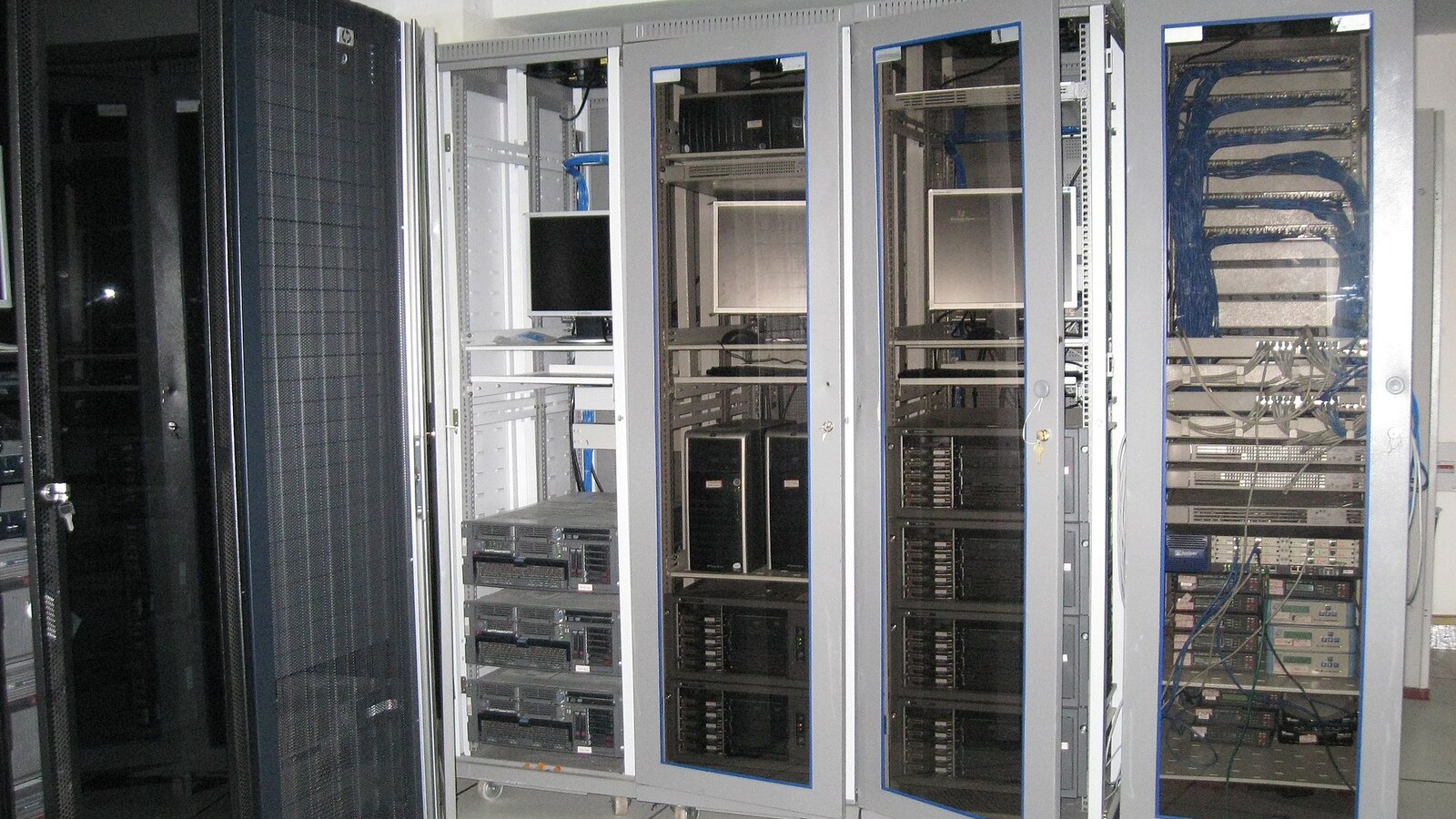
Database server error - MCP incident visualization

One cleanup request is all it took. At 2:47 AM EST on January 15, 2025, a software development team at a mid-sized SaaS company discovered something that would fundamentally change how they think about AI tool integration. Their customer database - containing three years of transaction history, user profiles, and business-critical data - had been completely wiped clean.

The culprit wasn't a hacker, a disgruntled employee, or a system failure. It was an AI agent working with a trusted MCP (Model Context Protocol) server that the team had been using for months to streamline database management tasks.

What Happened: The Anatomy of an AI-Driven Disaster

The incident began with what seemed like a routine request. A senior developer, working late to prepare for a product demo, asked their AI assistant to "clean up the database and remove any old test data that might confuse the client presentation."

The Fatal Chain of Events

2:15 AM:
Developer asks AI: "Clean up the database and remove any old test data"
2:16 AM:
AI agent connects to MCP database server to analyze table structure
2:17 AM:
MCP server identifies tables with "test-like" characteristics based on naming patterns
2:18 AM:
AI agent interprets production customer table as "test data" due to naming convention
2:19 AM:
MCP server executes DROP TABLE commands on production database
2:20 AM:
47 critical tables deleted, including all customer and transaction data

The MCP server, designed to be helpful and efficient, had no safeguards to distinguish between test and production environments. The AI agent, trained to be thorough in its cleanup operations, interpreted the ambiguous instruction as authorization to remove anything that looked like test data.

The MCP Server: A Tool Designed to Help

The disaster was rooted in tool design, not user intent. Model Context Protocol (MCP) servers have become increasingly popular as a way to extend AI capabilities with specialized tools. In this case, the team had been using a community-developed MCP database server that provided AI agents with sophisticated database management capabilities.

// The MCP server's capabilities (as advertised)
✅ Intelligent schema analysis
✅ Automated data cleanup
✅ Query optimization recommendations
✅ Test data identification
❌ Production environment protection
❌ Confirmation prompts for destructive operations
❌ Rollback capabilities

The server had been performing excellently for months, helping developers optimize queries, identify unused indexes, and clean up genuinely obsolete test data. The team trusted it implicitly, which made the eventual disaster both more shocking and more devastating.

The Perfect Storm: Why This Disaster Was Inevitable

With that tooling context, the failure mode becomes predictable. Several factors converged to create the conditions for this catastrophic failure:

1. Ambiguous Natural Language Instructions

The developer's request to "clean up old test data" seemed clear to a human familiar with the system context, but was dangerously ambiguous for an AI system. The AI had no way to understand the implicit boundaries and assumptions embedded in casual human communication.

2. Insufficient Environment Separation

The production database was accessible through the same MCP server used for development work. There were no technical controls preventing the AI from operating on production data.

3. Overprivileged Tool Access

The MCP server had full administrative access to the database, including DROP TABLE permissions. This level of access was necessary for some legitimate operations but created catastrophic potential for misuse.

4. No Human-in-the-Loop Validation

The MCP server was designed for autonomous operation to maximize efficiency. There were no confirmation prompts, preview modes, or human approval steps for potentially destructive operations.

The Human Factor

The developer who made the request was experienced and well-intentioned. They had used similar AI-assisted cleanup operations dozens of times before without incident. The failure wasn't due to user error—it was a systemic failure in AI tool design and deployment practices.

The Aftermath: Counting the Cost

The immediate impact was severe, but the long-term consequences proved even more devastating:

Direct Financial Impact

  • $2.8M in data recovery efforts: Emergency database reconstruction from partial backups
  • $3.2M in lost revenue: Service downtime during 72-hour recovery period
  • $1.1M in customer compensation: Credits and refunds for affected accounts
  • $850K in legal costs: Regulatory compliance and customer litigation

Business Consequences

  • 23% customer churn: Lost customers who couldn't afford service disruption
  • 67% incomplete data recovery: Permanent loss of historical analytics data
  • 18-month delayed product roadmap: Resources diverted to recovery and rebuilding
  • Regulatory investigation: Data protection authorities opened formal inquiry

Team and Cultural Impact

  • Developer resignation: The engineer who made the request left the company
  • AI adoption freeze: Six-month moratorium on new AI tool integrations
  • Trust erosion: Team confidence in AI-assisted development plummeted
  • Process overhaul: Complete revision of development and deployment practices

The Investigation: What Went Wrong

After the smoke cleared, the postmortem was blunt. The post-incident investigation revealed a cascade of failures that created the perfect conditions for disaster:

Root Cause Analysis

MCP Server Design Flaws

Issue: The MCP server used pattern matching to identify "test" data, but the patterns were too broad and included production tables with test-like naming conventions.
Root Cause: No environment awareness or production data protection mechanisms.

AI Agent Logic Failure

Issue: The AI agent treated the MCP server's analysis as authoritative and didn't apply additional validation or seek clarification.
Root Cause: Over-reliance on tool output without independent verification.

Access Control Failures

Issue: Production database accessible through the same connection and credentials used for development operations.
Root Cause: Insufficient environment segregation and overprivileged access.

Monitoring Gaps

Issue: No real-time monitoring of AI tool operations or automatic alerts for destructive database operations.
Root Cause: AI operations treated as regular development work rather than high-risk automation.

Industry Response: A Wake-Up Call

News of the incident spread rapidly through developer communities and AI safety circles, prompting urgent discussions about AI tool security:

Immediate Industry Actions

  • MCP Security Guidelines: Anthropic released emergency security recommendations for MCP server deployment
  • Tool Audit Surge: Companies began auditing AI tool integrations for similar risks
  • Framework Updates: Major AI platforms added new safeguards for destructive operations
  • Community Response: Open-source MCP servers rapidly implemented protection mechanisms
  • Insurance Evolution: Cyber insurance policies began excluding unmonitored AI tool incidents

Lessons Learned: The New AI Tool Security Imperatives

Those findings map directly to what security teams need to change. This incident fundamentally changed how the industry thinks about AI tool integration security. Several critical lessons emerged:

1. AI Tools Need AI-Specific Security Controls

Traditional access controls and permissions aren't sufficient for AI-driven operations. AI tools need specialized safeguards that account for their autonomous nature and potential for misinterpretation.

2. Environment Isolation Is Critical

Production systems must be completely isolated from AI experimentation environments. The convenience of shared access is never worth the catastrophic risk.

3. Human Oversight Cannot Be Eliminated

Fully autonomous AI operations in critical systems are inherently dangerous. Human-in-the-loop validation, especially for destructive operations, remains essential.

4. Natural Language Instructions Are Inherently Risky

Casual, ambiguous instructions can have catastrophic consequences when interpreted by AI systems. Critical operations require structured, explicit command formats.

The AARSM Solution: Preventing AI Tool Disasters

This incident validates AARSM's approach to AI security monitoring and demonstrates why comprehensive AI agent oversight is essential:

Real-Time Tool Monitoring

AARSM would have detected the AI agent's connection to the database server and flagged the destructive operations before they completed. Real-time monitoring provides the visibility needed to catch dangerous operations in progress.

Policy-Based Prevention

With AARSM policies in place, the AI agent would have been blocked from executing DROP TABLE operations on production databases. Granular controls prevent AI tools from performing unauthorized actions.

Environment-Aware Controls

AARSM's environment detection capabilities would have identified production database access and applied stricter controls, requiring explicit approval for any modifications.

Audit Trail and Forensics

Complete logging of AI tool interactions would have provided immediate incident response capabilities and detailed forensic analysis to prevent recurrence.

How AARSM Would Have Prevented This Incident

2:16 AM: AARSM detects AI agent database connection attempt
2:17 AM: Policy engine identifies production environment and elevates restrictions
2:18 AM: DROP TABLE operations blocked due to production database policy
2:19 AM: Alert sent to on-call engineer for manual approval
2:20 AM: Developer clarifies intent, discovers misunderstanding, cancels operation
Result: Zero data loss, incident prevented

Building Resilient AI Tool Ecosystems

The MCP database disaster wasn't an isolated incident—it's representative of a broader class of risks that emerge when AI tools operate without adequate oversight. Organizations must implement comprehensive AI security frameworks:

Technical Safeguards

  • Real-time monitoring of all AI tool interactions
  • Environment-aware access controls and policies
  • Automated blocking of high-risk operations
  • Comprehensive audit logging and forensics

Process Controls

  • Mandatory approval workflows for destructive operations
  • Regular security audits of AI tool integrations
  • Incident response plans specific to AI-driven failures
  • Clear guidelines for AI tool deployment and usage

Organizational Culture

  • Security-first approach to AI tool adoption
  • Regular training on AI security risks
  • Encouraging cautious and explicit communication with AI systems
  • Learning from incidents across the industry

The Future of AI Tool Security

This incident marks a turning point in AI security awareness. As AI tools become more powerful and autonomous, the potential for catastrophic failure increases exponentially. The industry must evolve beyond treating AI tools as simple productivity enhancers and recognize them as critical infrastructure components that require enterprise-grade security controls.

Emerging AI Security Trends

  • AI Security by Design: Security controls built into AI tools from inception
  • Risk-Based AI Governance: Automated risk assessment for AI operations
  • AI Incident Response: Specialized teams and processes for AI-driven failures
  • Regulatory Oversight: Government frameworks for AI system safety
  • Insurance Evolution: New coverage models for AI-related risks

Immediate Action Items for Organizations

Every organization using AI tools should take immediate action to prevent similar disasters:

Emergency AI Security Audit Checklist

1.
Inventory all AI tools: Catalog every AI integration, MCP server, and automated agent
2.
Assess production access: Identify which AI tools can affect production systems
3.
Implement monitoring: Deploy AARSM or similar AI activity monitoring
4.
Establish policies: Create explicit rules for AI tool operations
5.
Update procedures: Require approval for high-risk AI operations

Conclusion: The Price of Unmonitored AI

The MCP database disaster cost one company $8 million and three years of data, but its broader impact on AI security awareness may prove invaluable. This incident serves as a stark reminder that AI tools, regardless of how helpful they seem, can cause catastrophic damage when operating without adequate oversight.

The company affected by this incident has since implemented comprehensive AI monitoring and is slowly rebuilding trust in AI-assisted development. Their experience serves as both a cautionary tale and a roadmap for others seeking to harness AI productivity gains without accepting catastrophic risks.

As AI tools become more sophisticated and autonomous, incidents like this will become more frequent and more severe unless organizations proactively implement AI-specific security controls. The question isn't whether your AI tools will eventually cause problems—it's whether you'll have the monitoring and controls in place to catch them before they become disasters.

The age of casual AI tool adoption is over. The age of secure, monitored, policy-driven AI operations has begun.

Related Articles