Identify the installation
Record the observed MCP server, endpoint association, ownership and source provenance. Keep observation freshness visible.
3LS Platform
Track observed installations, provenance and tool revisions. Apply approved tool groups and inspect original arguments on supported managed paths.
Explore the capabilitiesObserved installations and revisions give the operator a starting point for supplier and tool review. Approval governs the configured path; provenance alone does not establish that software is trustworthy.
Record the observed MCP server, endpoint association, ownership and source provenance. Keep observation freshness visible.
Compare observed schemas and tool revisions with the approved catalogue and tool groups. Review changes before allowing them on governed requests.
Retain the signed policy version, action classification and journalled outcome. Assign a case owner when the finding needs follow-up.
An original arguments check sees what the client supplied. A malicious backend adding a hidden BCC recipient after that check is a separate behaviour; original-argument inspection does not prove it is prevented. Backend execution, credentials and network egress require their own controls. Result denial cannot undo an action already executed.
Compromised tools and dependencies are a reason to review provenance, approved actions and backend access together. Review linked incidents to identify which tools, actions and backend connections need controls in your workflow.
From the blog
Relevant incident coverage on compromised extensions, malicious AI tooling, poisoned dependencies, and the runtime controls needed when trusted software turns hostile.
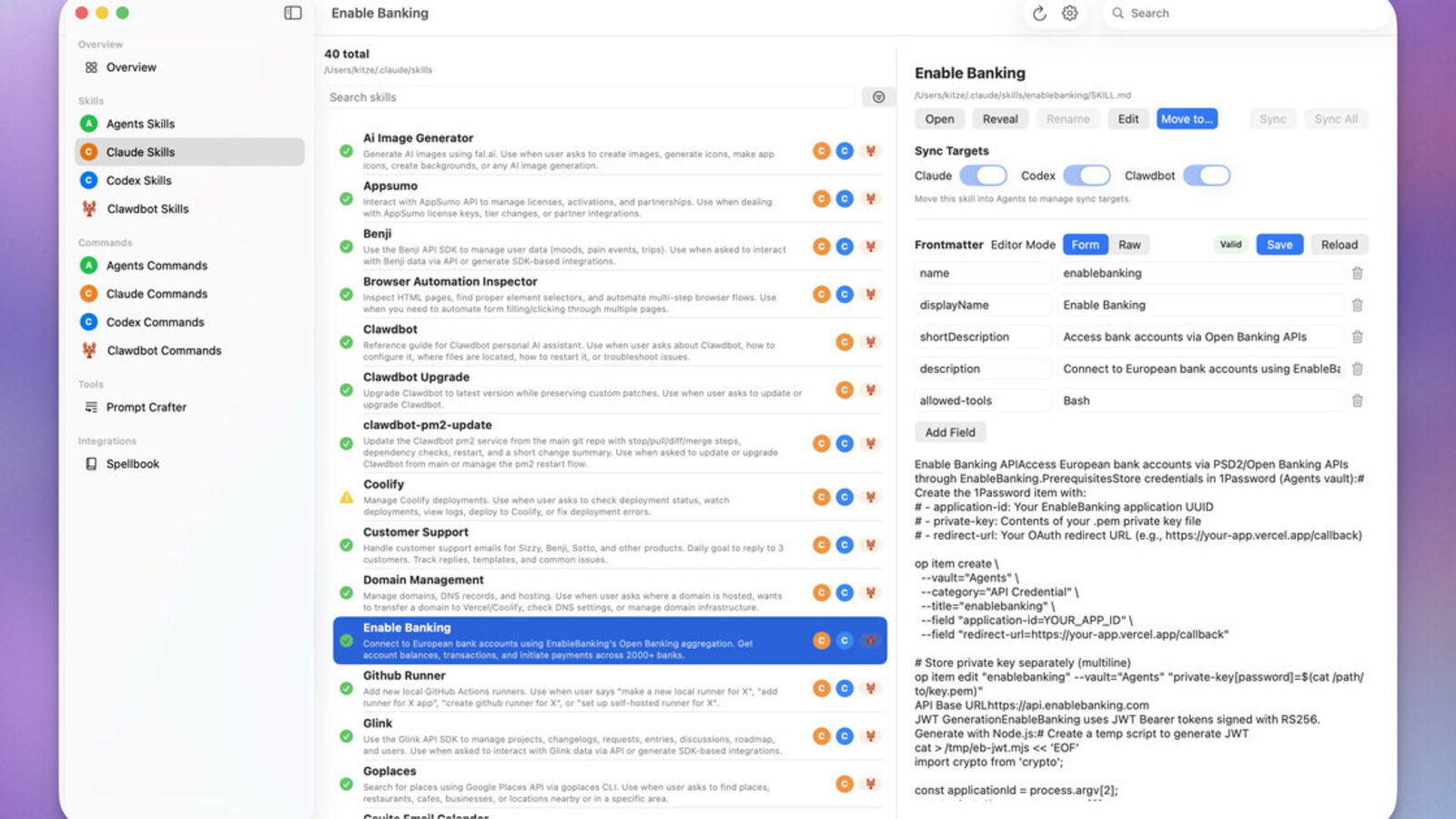
A skill install looks like personalization until it quietly becomes local code execution, tool exposure, and shadow capability loading on employee machines.

An attacker nearly shipped a compromised AWS Toolkit update to 8.2 million developers. Extension stores are now supply chain infrastructure.
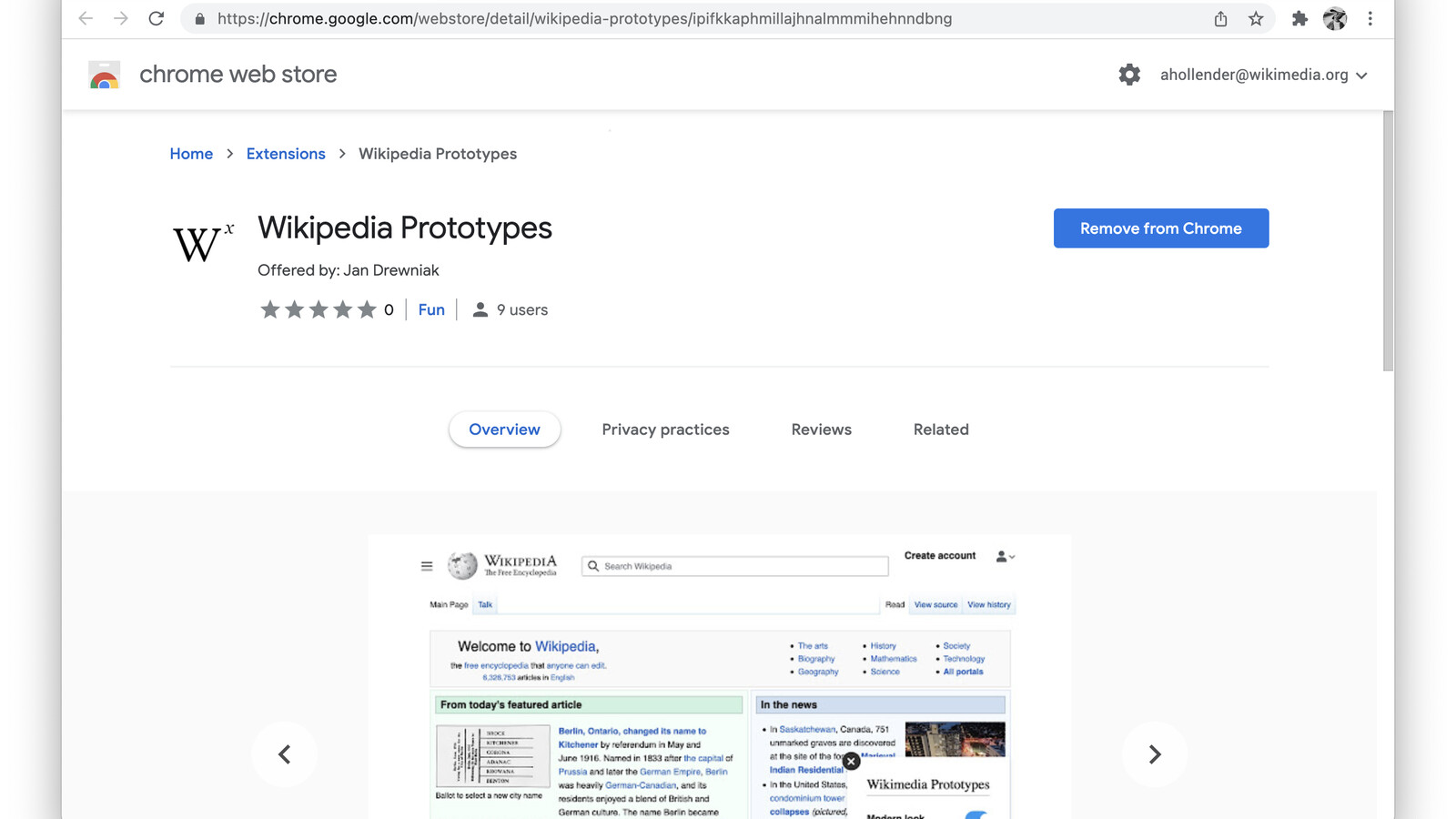
Two fake AI extensions siphoned ChatGPT and DeepSeek conversations on a schedule. Browser add-ons are now AI data pipelines.
Map the observed resource, policy, decision and response with your team.
Walk through a policy decision